
⏱ 16 min read
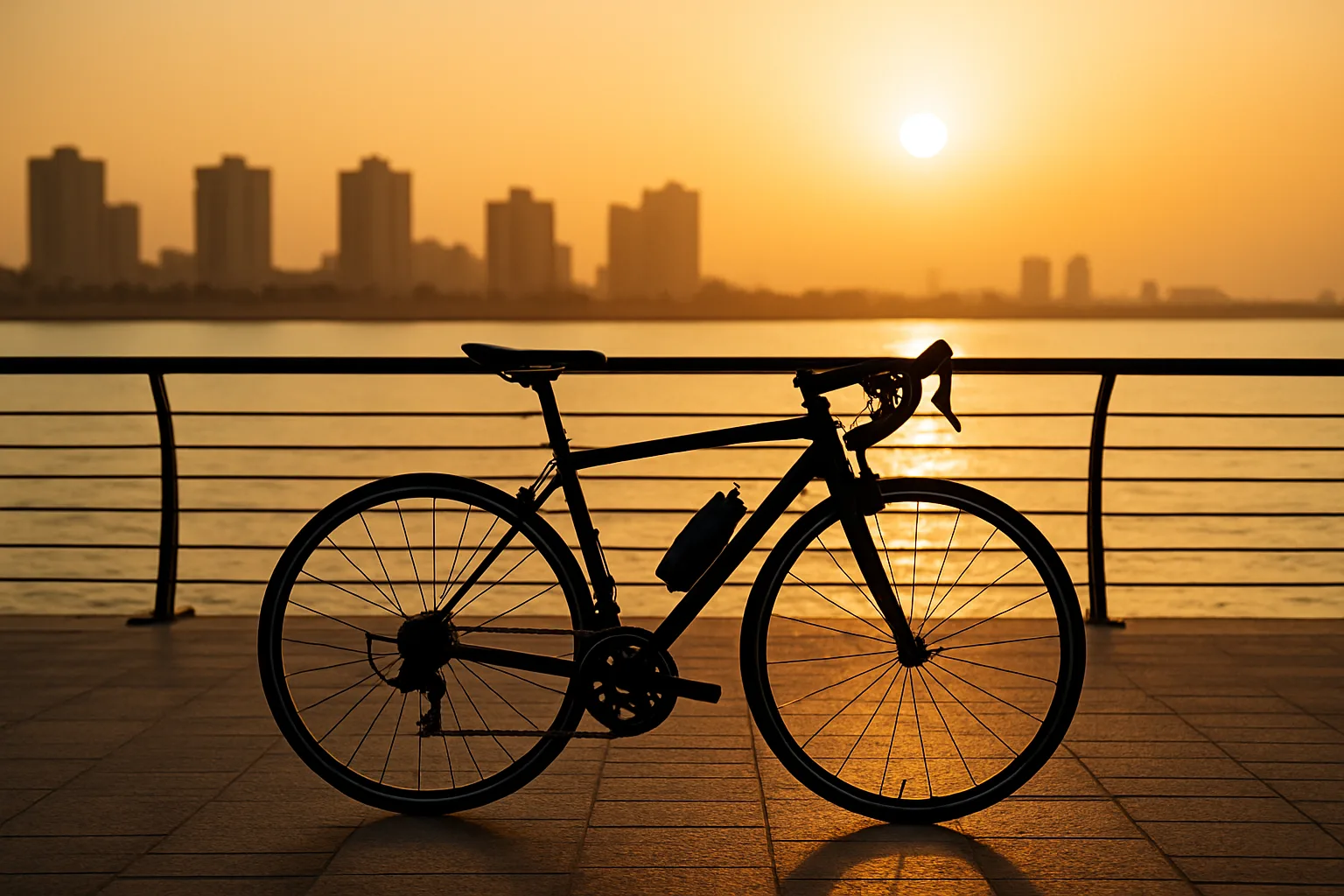
Discover exactly how much weight you can lose biking 30 minutes a day, with real numbers, Saudi-specific tips, and a plan that works.
How Much Weight Can You Lose Biking 30 Minutes a Day? The Direct Answer
If you bike 30 minutes a day at a moderate pace (12–14 mph or 19–22 km/h) and keep your diet unchanged, you can expect to lose about 0.5 to 1 kg (1–2 lbs) per month. That’s because a 30-minute ride burns roughly 200–300 calories for an average 70 kg adult. Over a week, that’s 1,400–2,100 calories — enough to shed about 0.2–0.3 kg of fat, assuming you don’t compensate with extra eating. If you increase intensity to vigorous (14–16 mph or 22–25 km/h), you can burn 300–450 calories per session, pushing monthly loss to 1.5–2 kg. The exact number depends on your weight, effort, terrain, and diet. But the short answer: biking 30 minutes a day is a powerful fat-burning habit that delivers steady, sustainable weight loss when paired with smart nutrition.
Now, let’s break down the variables. Your body weight matters: a 90 kg rider burns more calories than a 60 kg rider doing the same ride. Terrain matters: climbing a hill in Riyadh’s Wadi Hanifah or riding into a headwind on the Jeddah Corniche will spike your burn. Bike type matters: a heavier mountain bike requires more effort than a lightweight road bike. And intensity is the biggest lever — interval training or hill repeats can double your calorie burn compared to a leisurely cruise.
But here’s the catch: 30 minutes a day is a starting point, not a magic bullet. To lose 5 kg in three months, you’d need to combine cycling with a modest calorie deficit (300–500 calories less per day) and perhaps extend some rides to 45–60 minutes. The good news is that cycling is low-impact, joint-friendly, and easy to fit into a Saudi schedule — early morning or after Maghrib when temperatures drop. Many riders in Saudi Arabia have lost 5–10 kg in 3–6 months by committing to daily 30-minute rides and cleaning up their diet.
So, how much weight can you lose biking 30 minutes a day? Realistically, 0.5–1 kg per month with moderate effort, up to 2 kg per month with high intensity and a controlled diet. It’s not overnight, but it’s real, measurable, and sustainable. And the health benefits — better heart health, lower stress, improved sleep — start from day one.
What Determines How Many Calories You Burn Biking 30 Minutes?
Calorie burn during cycling depends on four key factors: your body weight, the intensity of your ride, the duration, and the terrain or resistance. A 70 kg person cycling at a moderate pace (12–14 mph) burns about 250 calories in 30 minutes. The same person riding vigorously (14–16 mph) burns around 350 calories. If you weigh 90 kg, those numbers jump to roughly 320 and 450 calories, respectively. The heavier you are, the more energy your body expends to move — which is why cycling is an excellent choice for larger riders looking to lose weight without stressing their knees.
Intensity is the most controllable factor. You can measure it using heart rate zones or perceived exertion. Zone 2 (60–70% of max heart rate) is the fat-burning zone, where your body uses a higher percentage of fat for fuel. Zone 3–4 (70–85%) burns more total calories but a lower percentage from fat. For weight loss, a mix of both is ideal: steady Zone 2 rides for endurance and fat oxidation, plus short bursts of high intensity to boost your metabolism for hours after the ride (the afterburn effect).
Terrain and resistance also play a role. Riding uphill, into the wind, or on a heavier bike increases calorie burn. In Saudi Arabia, you can use the natural terrain to your advantage: the hills around Riyadh, the coastal headwinds in Jeddah, or the sandy paths in Al Khobar all add resistance. If you’re riding indoors on a trainer, you can simulate hills by increasing resistance. Even a simple change like using a mountain bike instead of a road bike on pavement can add 20–30% to your calorie burn.
Finally, your fitness level matters. Beginners burn more calories than trained athletes at the same pace because their bodies are less efficient. As you get fitter, you’ll need to increase intensity or duration to keep seeing results. That’s why tracking your rides — using a bike computer, smartwatch, or phone app — helps you progressively overload and continue losing weight.
Is Biking 30 Minutes a Day Enough to Lose Belly Fat?
Yes, biking 30 minutes a day can help reduce belly fat, but spot reduction is a myth — you can’t target belly fat specifically. However, cycling is a fantastic full-body workout that engages your core, legs, and glutes, and it burns calories that lead to overall fat loss, including around your midsection. Studies show that aerobic exercise like cycling reduces visceral fat (the dangerous fat around your organs) even without significant weight loss. So even if the scale doesn’t move much, your waistline can shrink.
To maximize belly fat loss, combine 30 minutes of cycling with strength training. Building muscle boosts your resting metabolism, so you burn more calories even when you’re not riding. Simple bodyweight exercises — planks, squats, lunges — two or three times a week can make a big difference. Also, watch your sugar and refined carb intake. In Saudi Arabia, where rice, bread, and sugary drinks are staples, cutting back on these can accelerate belly fat loss dramatically.
Consistency is key. A single 30-minute ride won’t do much, but doing it daily for a month will start to show. Many riders notice their clothes fitting looser before the scale changes. That’s because cycling builds leg muscle while burning fat, so your body composition improves even if your weight stays similar. Use a tape measure around your waist as a progress tracker, not just the scale.
Remember, belly fat is stubborn and often the last to go. Be patient. With daily cycling, a balanced diet, and adequate sleep (7–9 hours), you’ll see your midsection tighten over 8–12 weeks. And if you add high-intensity intervals — 30 seconds sprint, 90 seconds easy, repeated — you’ll accelerate fat loss, especially in the abdominal area.
How Can You Maximize Weight Loss from 30-Minute Bike Rides?
To get the most out of your 30-minute rides, focus on intensity, consistency, and nutrition. First, make every ride count: warm up for 5 minutes, then alternate between moderate and vigorous efforts. For example, ride easy for 2 minutes, then push hard for 1 minute, and repeat. This interval style burns more calories in the same time and keeps your metabolism elevated for hours. If you’re riding outdoors in Saudi Arabia, use traffic lights or landmarks as natural interval triggers.
Second, ride at least 5–6 days a week. Consistency trumps intensity. A daily 30-minute ride is better than two 90-minute rides on the weekend. If your schedule is tight, split it into two 15-minute sessions — morning and evening. The total calorie burn is similar, and you get the added benefit of two metabolism boosts. Many commuters in Riyadh and Jeddah already cycle to work or to the grocery store; turn those trips into workouts by picking a slightly longer route or adding a detour.
Third, fuel your body smartly. You don’t need sports drinks or energy gels for a 30-minute ride — water is enough. But what you eat before and after matters. Avoid riding on a full stomach; wait at least 90 minutes after a meal. After your ride, have a protein-rich snack (Greek yogurt, eggs, or a protein shake) to aid muscle recovery. And keep your overall diet in a slight calorie deficit. A 300–500 calorie deficit per day, combined with cycling, can double your monthly weight loss.
Fourth, track your progress. Use a fitness app to log your rides, calories burned, and distance. Seeing your numbers improve is highly motivating. Also, take photos and measurements every two weeks. Sometimes the scale stalls while your body is still changing. Don’t get discouraged — keep riding. And consider adding one longer ride (45–60 minutes) on weekends to boost endurance and calorie burn.
What Are the Best Bikes and Gear for Weight Loss in Saudi Arabia?
The best bike for weight loss is one you’ll actually ride. For most people in Saudi Arabia, a hybrid or fitness bike is ideal: it’s lightweight, has flat handlebars for comfort, and can handle both paved roads and light trails. If you’re riding mostly on city streets, a road bike will let you go faster and burn more calories per hour. If you prefer off-road or sandy paths, a mountain bike with wider tires provides stability and extra resistance. Electric bikes can also help with weight loss — you still pedal, and you can adjust the assist level to challenge yourself.
At رايدر بايسكل, we recommend choosing a bike that fits your body and your local terrain. For example, if you live in Riyadh, where roads are wide and mostly flat, a road bike or hybrid works great. In Jeddah, the Corniche is perfect for a fitness bike with slightly wider tires for comfort. In Al Khobar or Dammam, where you might encounter sand, a mountain bike or gravel bike is a smart choice. We also carry a range of accessories to make your rides more effective: heart rate monitors, bike computers, and indoor trainers for the hot summer months. If you’re unsure where to start, our guide to choosing the right bike in Saudi Arabia breaks down every option by terrain and riding style.
Don’t forget safety and comfort gear. A properly fitted helmet is non-negotiable. Padded cycling shorts prevent saddle sores on longer rides. Gloves reduce hand fatigue. And lights are essential if you ride at dawn or dusk. In Saudi Arabia’s heat, ride early morning or after sunset, and always carry water — at least one bottle per 30 minutes. Consider a hydration pack for longer rides.
Finally, invest in a good lock and a basic repair kit. Knowing how to fix a flat tire or adjust your brakes keeps you riding instead of waiting for a rescue. If you’re not confident with maintenance, رايدر بايسكل offers service and repairs. The right gear removes excuses and makes your daily 30 minutes enjoyable, so you stick with it and see the weight loss you want.
How Does Diet Affect Weight Loss When Biking 30 Minutes a Day?
Diet is the make-or-break factor for weight loss. You can bike 30 minutes a day and still gain weight if you eat more calories than you burn. A single 30-minute ride burns 200–400 calories — that’s roughly one large date maamoul or a sugary latte. So, if you reward yourself with a high-calorie treat after every ride, you’ll cancel out your progress. The key is to create a moderate calorie deficit: eat 300–500 calories less than you burn each day. Combined with cycling, this leads to steady fat loss of 0.5–1 kg per week.
Focus on whole foods: lean proteins (chicken, fish, legumes), plenty of vegetables, healthy fats (olive oil, nuts, avocado), and complex carbs (oats, brown rice, whole-wheat bread). In Saudi Arabia, this means adapting traditional dishes: swap white rice for brown rice, reduce the oil in rice dishes, choose grilled chicken over fried, and limit sugary drinks like soda and sweetened juices. Stay hydrated with water — often thirst is mistaken for hunger.
Timing matters too. Eating a small, balanced meal 2–3 hours before your ride gives you energy without feeling sluggish. After your ride, a protein-rich snack within 30–60 minutes helps muscle recovery and reduces cravings. Avoid eating late at night; try to finish dinner at least 3 hours before bed. And be mindful of portion sizes — even healthy foods can add up.
Finally, don’t starve yourself. Eating too little slows your metabolism and makes you feel weak on the bike. You need fuel to ride. A sustainable approach is to aim for a 500-calorie deficit through a combination of diet (300 calories less) and exercise (200 calories burned). This is achievable and won’t leave you exhausted. Many riders in Saudi Arabia have found success by following a balanced diet with cycling, rather than extreme diets that don’t last.
How Long Until You See Results from Biking 30 Minutes a Day?
You’ll start feeling better within a week — more energy, better sleep, and less stress. Visible weight loss typically appears after 3–4 weeks of consistent daily riding and a sensible diet. In the first month, expect to lose 0.5–1 kg (1–2 lbs). By the three-month mark, you could be down 3–5 kg (6–11 lbs) if you stay consistent. Some people lose faster, especially if they start at a higher weight or combine cycling with strength training and a strict diet. Others lose slower due to genetics, age, or hormonal factors. The key is to focus on non-scale victories: looser clothes, better stamina, and improved mood.
Plateaus are normal. After a few weeks, your body adapts, and weight loss may stall. To break a plateau, change your routine: increase intensity, add hills, extend one ride per week to 45–60 minutes, or add two strength-training sessions. Also, reassess your calorie intake — as you lose weight, your body needs fewer calories, so you may need to adjust your diet. Tracking your food for a few days can reveal hidden calories.
Consistency over months is what delivers dramatic results. Riders who bike 30 minutes a day for six months often lose 5–10 kg and keep it off because cycling becomes a habit, not a chore. In Saudi Arabia, the cycling community is growing, with group rides and events that make it social and fun. Joining a local cycling group can keep you motivated and accountable.
Remember, weight loss is not linear. Some weeks you’ll lose more, some less. Don’t quit if the scale doesn’t move for a week. Keep riding, keep eating well, and trust the process. The health benefits — reduced risk of heart disease, diabetes, and obesity — are worth it regardless of the number on the scale. And with every ride, you’re building a stronger, healthier you.
◈ Key Takeaways
- ✦Biking 30 minutes a day at moderate intensity burns 200–300 calories, leading to about 0.5–1 kg (1–2 lbs) of weight loss per month when combined with a sensible diet.
- ✦To maximize fat burn, mix steady Zone 2 rides with high-intensity intervals, and aim for 5–6 rides per week.
- ✦Diet is critical: create a 300–500 calorie daily deficit, focus on whole foods, and avoid sugary rewards after rides.
- ✦Track progress with measurements and photos, not just the scale, and expect visible results in 3–4 weeks.
- ✦Choose the right bike for your terrain — hybrid, road, or mountain — and gear up with a helmet, lights, and hydration for safe, effective rides in Saudi Arabia.
Frequently Asked Questions
❓ How much weight can you lose biking 30 minutes a day?
You can expect to burn around 200-300 calories per 30-minute session, leading to about 0.5-1 kg of weight loss per week if you maintain a calorie deficit. However, individual results vary based on intensity, body weight, and diet. For best results, combine cycling with a balanced diet and consistency.
❓ How long does it take to see weight loss results from biking 30 minutes a day?
Most people start noticing weight loss within 2-4 weeks of consistent daily cycling, but significant changes may take 6-8 weeks. In Saudi Arabia, where outdoor cycling is popular in cooler months, maintaining a routine indoors during hot summers can help sustain progress. Remember that sustainable weight loss is gradual.
❓ What is the best time to bike for weight loss in Saudi Arabia?
Early morning or late evening is best to avoid the intense heat, especially in summer. In cooler months, any time works, but consistency matters more than timing. Some studies suggest morning exercise may boost metabolism, but the key is finding a time you can stick to.
❓ Can I lose belly fat by biking 30 minutes a day?
Yes, cycling can help reduce belly fat when combined with a healthy diet and overall calorie deficit. However, spot reduction is not possible; biking burns fat from all over the body. For best results, incorporate high-intensity intervals and strength training.
❓ Why is biking 30 minutes a day effective for weight loss?
Biking is a low-impact cardiovascular exercise that burns calories and builds muscle, boosting metabolism. It’s accessible and can be done outdoors or indoors, making it easy to maintain a routine. In Saudi Arabia, many people use cycling as a convenient way to stay fit, especially in dedicated cycling tracks.
Everything for your ride
Bikes, parts, apparel and accessories at the Rider Bicycle store.
Rider Bicycle
Bikes, gear, and the ride — for Saudi Arabia